First Aid Supplies Online Canada: What to Include in a Family Emergency Kit
Emergencies do not honour schedules or seasons, and Canadian households face a wide range of them. One week it is a kitchen burn or a slip on black ice, the next it is a windstorm that knocks out power for 24 hours. A solid family emergency kit does two jobs. It lets you treat common injuries well enough to avoid a trip to urgent care, and it buys you time during a larger incident until help arrives. I have stocked kits for ski patrol cabins, condo lobbies, delivery fleets, and more than a few minivans. The families that stay confident in a crisis all share one trait: they did not just buy a kit, they built a system that fits their lives.
This guide focuses on what to stock, how to store it in a Canadian climate, and how to source reliable first aid supplies online in Canada without overbuying or wasting money. It also covers training tools, AED considerations, and the realistic place of oxygen in a household plan.
Start with your family’s risk profile
No two kits should be identical. A downtown condo has different needs than a farmhouse outside Red Deer. Think through the injuries you can predict, then consider what the weather and geography add.
If you have toddlers, you will reach for adhesive bandages, antiseptic wipes, and digital thermometers constantly. Middle school and high school athletes bring sprains, nosebleeds, and split lips. Households with seniors should plan for skin tears, blood thinners, and mobility aids during evacuations. At a lake cottage, you should expect fish hooks, knife slips, and hypothermia risks. If your home is within 10 minutes of an urgent care clinic, you can lean a little lighter on advanced trauma supplies. If you live off a secondary road that is often snowed in, you should plan for longer self-sufficiency.
I ask families to list their five most likely injuries or emergencies, then add two seasonal ones. In Ontario, that might be lacerations, minor burns, migraines, sprains, gastrointestinal bugs, plus heat illness in July and carbon monoxide scares in January. Build to that list first.
The core kit that covers 80 percent of needs
A good family kit is boring on purpose. It is built around items you will actually use, sized for your household, and packed so the right thing shows up at the right time. The goal is to handle wounds, sprains, minor burns, fevers, and short respiratory issues. It also needs to travel into the backyard, the car, or the neighbour’s driveway without turning into a treasure hunt.
I prefer a two-tier setup. Keep a compact grab pouch for quick fixes, and a larger bin or bag for the rest. The grab pouch rides to the playground or the rink and gets first claim on refills. The bin holds depth: extra gauze, backup medications, and tools you will not carry daily.
If you are buying first aid supplies online in Canada, avoid glossy kits with dozens of tiny bandages and not enough gauze. Look for gauze rolls, sterile pads in 10 by 10 centimetre and 5 by 5 centimetre sizes, conforming wrap, and adhesive cloth tape that sticks in the cold. You want shears that can handle denim, nitrile gloves that fit, a real triangle bandage, and a proper splinter forceps rather than tweezers meant for eyebrows.
For adhesive bandages, buy a mix of knuckle, fingertip, and standard sizes. For antiseptics, alcohol prep pads are for skin degreasing before tape; chlorhexidine or povidone iodine swabs are for cleaning wounds. Both are useful, and neither belongs in your eye.
Digital thermometers are more accurate when you use them consistently the same way. Keep spare batteries taped inside the case. A small instant cold pack earns its space on road trips and at rinks, but do not expect it to replace proper icing at home.
A focused checklist you can actually use
You can build from scratch or top up a commercial kit. The following essentials cover most households. Buy quality once, then maintain it.
- 10 to 20 sterile gauze pads in two sizes, plus 2 to 4 gauze rolls
- Cloth adhesive tape, elastic bandage, and one triangle bandage
- Assorted adhesive bandages, antiseptic wipes, and a tube of antibiotic ointment
- Blunt-tip trauma shears, splinter forceps, digital thermometer, and nitrile gloves
- Oral rehydration salts, acetaminophen and ibuprofen in child and adult formats, antihistamine tablets or meltaways
That list does not preclude specialized items. It sets a reliable baseline. Add a CPR face shield and an emergency blanket if you do not already keep them with https://damienvsyk213.lucialpiazzale.com/zoll-aed-accessories-in-canada-pads-batteries-and-cases-explained your camping gear. If someone has severe allergies, include epinephrine auto-injectors, store them according to the label, and rotate before expiry. For asthma, keep a spacer with a backup reliever inhaler in the kit, not buried in a bedroom.
Medications and the reality of Canadian households
Medications turn a kit into something you reach for often. Keep them in original packaging with dosing instructions. In Canada, liquid pain relievers for children freeze in winter and degrade in summer heat. The answer is not to skip them, it is to store them smartly. In January, keep liquid meds in a small insulated pouch inside the main kit. In July, do not leave the kit in a hot car for hours. Tablets fare better in temperature swings, so carry chewable or meltaway options suited to your child’s age as a backup.
Diphenhydramine or cetirizine helps with hives and mild allergic reactions. Loperamide can buy time on a road trip with a stomach bug. Oral rehydration salts are cheap and effective, not glamorous, but they spare you a trip to urgent care at 2 a.m. When a child cannot keep water down. Write dosing notes for each family member on an index card and keep it with the meds. Under stress, you will not want to calculate weight-based doses.
Trauma supplies, used judiciously
Most family kits do not need tourniquets, but some do. If you split wood, hunt, or use power tools, a proper windlass tourniquet with training is reasonable. Do not buy a knockoff. Choose a recognized model, learn to stage it, then practice on your own thigh and upper arm. Hemostatic gauze helps in deep wounds that will not stop bleeding with direct pressure, but it requires calm technique. If you are not going to train, spend your budget on more standard gauze and tape.
In winter, I add chemical heat packs for hands. They comfort a shivering child and make outdoor first aid bearable at minus 15. Toss them after a season whether used or not. Adhesive tape will not stick to cold, wet skin, so dry the area first and rely on gauze wrap and a triangular bandage to secure dressings when conditions are hostile.
Burns, eyes, and dental mishaps
Kitchen burns are common and often mishandled. Cool the burn under running tap water for 10 to 20 minutes, then cover with a sterile, non-adherent dressing. Do not ice a burn and do not apply ointment under a pressure bandage. A tube of petroleum jelly lives in my home kit for tiny fingertip burns once cooled, not for larger injuries. For eyes, a small sterile eyewash bottle is inexpensive and worth the space. If a chemical gets in an eye, you want volume and time. For a knocked-out adult tooth, a small vial of Hank’s Balanced Salt Solution is ideal, but cold milk in a clean container can work while you head for a dentist.
Documents, contacts, and the one piece of paper everyone forgets
Every family kit should carry a single laminated sheet with emergency contacts, chronic conditions, allergies, and current medications for each person. Include the pediatrician’s office number, the after-hours nurse line for your province if available, and the Poison Control number. On the back, add your home address and the common meeting point if you evacuate the house at night. If a neighbour or babysitter reaches for your kit, that sheet does more good than a dozen bandages.
Where AEDs fit for households
Automated external defibrillators save lives in sudden cardiac arrest, but not every home needs one. In Canada, anyone can purchase an AED, and no prescription is required. If you have a family member with a known cardiac condition or live in a multi-unit building that lacks a device, the math changes. The value of an AED depends on time from collapse to shock. If paramedics will arrive in four minutes and your building lobby has a unit, your money is better spent on training and better first aid supplies.
If you do buy a device, budget for maintenance. Pads and batteries carry expiry dates, often four to five years, and replacements vary by brand. Stocking Zoll AED accessories Canada wide is straightforward online, but costs are real, and pads are model specific. Place the device where it is visible and accessible, not behind a closet vacuum. Register it with your province or territory’s AED registry if applicable so dispatchers can direct bystanders to it.
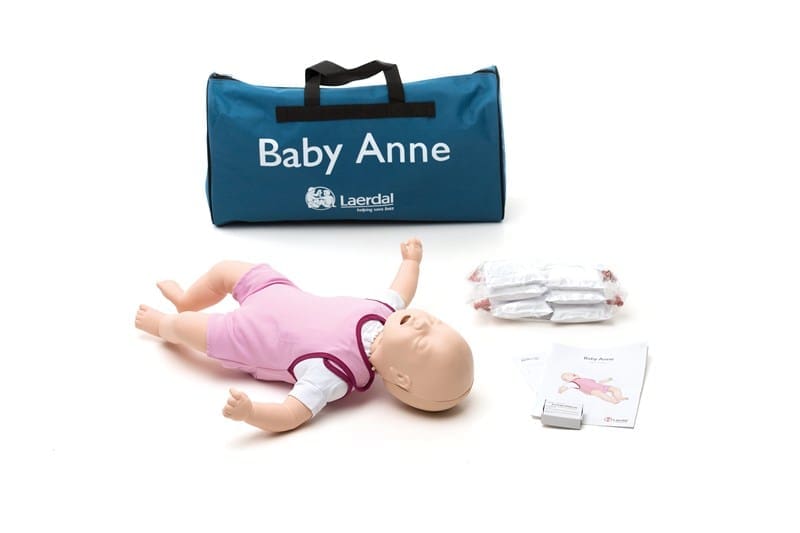
For training, get hands on. Defibtech AED training units Canada retailers carry non-shocking trainers that mirror the voice prompts of live devices. A one hour family drill, even once a year, pays dividends when you need calm muscle memory. Consider mixing practice with your first aid kit review so AED familiarity grows alongside basic skills.
Oxygen in a family kit, with clear eyes
First aid oxygen supplies Canada sellers offer kits with regulators, masks, and cylinders. These are not typical household items, and for most families they are not necessary. Medical oxygen improves outcomes in certain scenarios when delivered by trained providers, but oxygen is a medication and a pressurized hazard. In Canada, purchasing medical oxygen cylinders generally requires a prescription or an account with a supplier, and you need proper storage and transport.
There are sensible exceptions. Remote lodge owners who host older guests, families with a member on home oxygen, or volunteer responders with current training may justify oxygen. If that describes you, work with a local supplier on safe storage away from heat sources, and schedule regular inspections. For everyone else, focus on airway management basics: a pocket mask, positioning, and prompt CPR with an AED. Those steps move the needle more for most households than an oxygen kit in the basement.
Buying first aid supplies online in Canada without the headaches
Canadian shoppers have learned to check stock levels, verify expiry windows, and read shipping timelines, especially for temperature sensitive items. The better vendors list expiry dates for medications and adhesive pads rather than hiding them. For families, a three to four year pad shelf life for an AED is reasonable. For standard first aid, a two to three year horizon on antiseptic wipes and ointments is common. If a deal seems too good to be true, it usually means short-dated stock.
Look for clear SKU listings so you can reorder by exact item rather than guessing from a picture. If you manage kits for a condo board, daycare, or sports team, CPR supply delivery Canada providers will often bundle refills and reminders, and they can ship seasonally appropriate items so tape and gloves perform in cold garages. For home buyers, the value is in consistency. Reorder from the same vendor when the last batch was reliable, and do not chase tiny savings that cost you time.
When you need brand specific AED parts, search by model number. Zoll AED accessories Canada inventories differ across retailers, and cross compatibility is limited. The same applies to Defibtech, Physio-Control, and Heartsine. Training pads are different from live pads, and child pads or child keys change the device’s shock profile. If you are not sure, call. A five minute chat avoids a return that wastes a week.
Storage that respects Canadian weather
Between winter cold snaps and summer heat waves, garage and car kits suffer. Adhesives and plastics get brittle in the cold, and liquids separate in the heat. Inside the house, choose a cool, dry closet away from dust and humidity. In vehicles, use an insulated soft case that lives under a seat rather than in the trunk. Tape a note on the dashboard during heat events to bring the kit inside overnight, the same habit you use for electronics.
At cottages, consider two kits. Keep the main bin in a central room, and a splash proof pouch near the dock with gloves, gauze, shears, a tourniquet if you use one, and an emergency blanket. That dock pouch handles fishing injuries fast without a sprint back to the house.
A simple maintenance rhythm that actually happens
People fail at maintenance when it feels like a separate project. Pair your kit checks with things you already do. When you change clocks in spring and fall, check smoke alarms and pull out the kit. During hockey tryouts or the first long weekend at the cottage, do it again. The process should take 10 minutes, not an hour.
- Glance through meds and pads for expiry dates within six months and set a calendar reminder to reorder
- Open the grab pouch, replace used items, and restock gloves and wipes
- Test the thermometer and flashlight, swap batteries if dim or expired
- Inspect scissors for rust and tape for tackiness, replace if they fail the quick test
- For households with an AED, check the status indicator, confirm pad and battery expiry, and verify it is still registered and accessible
That is the second and final list in this article. Keep it short, keep it on a card inside the kit, and it will actually get done.
Training turns supplies into outcomes
I have watched untrained parents freeze over a simple nosebleed while trained teens calmly manage a more serious laceration on the bench. Skills beat gear. Book a standard first aid and CPR course every three years, and choose a program that lets you practice with the tools you own. If your household has a Defibtech or Zoll AED at work or in the community, ask the instructor to run a scenario with that voice prompt set. If you cannot schedule a course right away, at least watch a current CPR video from a reputable Canadian organization, then practice compressions on a firm cushion for two minutes. Muscle memory fades, but it returns fast.
For kids, treat first aid like swimming. Start early with age appropriate tasks: finding the kit, calling 9-1-1, and handing you gloves. By middle school, many are ready to learn to clean and dress a scrape properly. If you coach, ask your club for a shared practice AED or a trainer. Defibtech AED training units Canada sellers often loan or rent trainers for community events, and a 15 minute station at picture day is surprisingly effective.
Special considerations for infants, seniors, and pets
Infants require a different approach. Bulb syringes help with nasal congestion. A forehead thermometer is quick, but a rectal measurement remains the gold standard for accuracy under one year. Dosing syringes beat kitchen spoons for medications. Tiny fingernail scissors matter more than you think to prevent accidental scratches in the first months.
Seniors bring skin that tears easily and medications that complicate bleeding. Stock more sterile non-adherent dressings and paper tape, which is gentler. If a loved one uses blood thinners, your emphasis should be on firm direct pressure and patience, not fancy products.
Pets deserve a small module: vet wrap that sticks to itself, tick removers, and a spare leash. Write down the nearest 24 hour animal hospital. Chocolate, rat poison, and antifreeze lead to panicked searches for numbers you could have printed in 30 seconds.
Vehicles and go bags
Every car should carry a small kit that handles bleeds and basic illnesses until you reach home. Think gauze, tape, gloves, a triangle bandage, a face shield, and a few bandages. If you commute in winter across highway stretches known for pileups, add a blanket, a toque, and a whistle. Road flares or LED beacons are a safety item, not medical, but keep them with the kit so you do not dig through the trunk in a storm.
If your household has a go bag for evacuations, do not duplicate the entire first aid bin. Pack a leaner set meant for 48 hours: a handful of gauze pads, a roll, cloth tape, a few bandages, antiseptics, a small ointment, a thermometer, gloves, and the medications each person actually needs for three days. Rotate those meds with your main supply during maintenance checks.
How to avoid overbuilding and still be ready
The temptation when shopping for first aid supplies online in Canada is to click on everything with a rescue red label. Resist. Extra items you never practice with become clutter. Ask two questions before adding something to your kit. Do I know how to use this under stress. Does it solve a problem I am likely to face. If the answer to either is no, do not buy it yet. Spend that money on a course, or on duplicates of high use items like gauze pads, tape, and children’s analgesics.
I keep a short “wish list” taped to the inside of my bin for the next upgrade. When we started spending more weekends at the cottage, I added a rigid splint and a second triangle bandage. When our oldest joined a mountain bike club, I bought hemostatic gauze and scheduled a refresher on wound packing. When our condo finally installed an AED in the lobby, I downsized the tourniquet from the car kit and moved it into the garage workshop instead.
When to replace versus when to replenish
Expiries matter differently across items. Medications and sterile products should respect their dates. An open tube of antibiotic ointment that lives in the bathroom will not be sterile after six months. Replace it. Gauze and wraps are more forgiving if packaging is intact, but adhesives weaken over time. If a sample bandage fails the stick test on your forearm, assume the rest will too. Scissors survive for years if kept dry, but rust or a loose pivot makes them dangerous. Buy once, maintain lightly, replace without guilt when they show their age.
For AEDs, never stretch pad or battery dates. Schedule replacements two months before expiry to avoid shipping delays. Store spares inside the cabinet if your model recommends it, and do not open sealed pouches to check contents. Online retailers that specialize in Zoll AED accessories Canada wide or other brands often offer subscription reminders. Use them, then cross check during your family maintenance rhythm.
Tying it together
A family emergency kit is not a magic box, it is a commitment. You choose items that match your risks, you store them where you can reach them fast, and you keep them current with a routine that survives busy weeks. Online shopping makes the acquisition easy. The judgment of what belongs, how many of each, and when to upgrade rests with you.
Invest in skills. If you can, practice with a trainer, especially for AEDs. If your workplace has a Defibtech device, ask to borrow their trainer for a weekend. If your building manager is replacing pads, offer to do the quick status check monthly. Small acts like that raise the tide for everyone around you.
On a practical note, label your kit with your last name and a phone number. When someone borrows a roll of tape or the shears at a barbecue, that label brings them back. Write the date of your next check on blue painter’s tape on the lid. It becomes a quiet nudge every time you pass the closet.
You will know your system is working when family members reach for the kit for routine scrapes without asking where it lives, and when you find yourself adding gauze and gloves to your grocery list automatically. Emergencies will still be stressful. With a reliable kit and a little practice, they will also be manageable.
CPR Depot Canada — Business Info (NAP)
Name: CPR Depot CanadaAddress: 340 Croft Dr, Tecumseh, ON N8N 2L9
Phone: +1-877-570-7322
Website: https://cpr-depot.ca/
Email: [email protected]
Hours:
Monday: 9:00 AM – 6:00 PM
Tuesday: 9:00 AM – 6:00 PM
Wednesday: 9:00 AM – 6:00 PM
Thursday: 9:00 AM – 6:00 PM
Friday: 9:00 AM – 6:00 PM
Saturday: Closed
Sunday: Closed
Open-location code (Plus Code): 8537+C8 Tecumseh, Ontario
Map/listing URL: https://www.google.com/maps/place/CPR+Depot/@42.3036,-82.8392601,17z/data=!3m1!4b1!4m6!3m5!1s0x883b2aedd5f271a1:0xfee6f8b7ab8f4110!8m2!3d42.3036!4d-82.8366852!16s%2Fg%2F1q6cff15h
Embed iframe:
Socials:
https://www.facebook.com/people/CPR-Depot-Inc/61575911496200/ https://www.instagram.com/cprdepotinc/ https://www.youtube.com/@CPRDepot
https://cpr-depot.ca/
CPR Depot Canada is a supplier of medical training products and related supplies serving customers across Canada.
The business is listed at 340 Croft Dr, Tecumseh, ON N8N 2L9.
To contact CPR Depot Canada, email [email protected] or call +1-877-570-7322.
Hours listed are Monday–Friday 9:00 AM–6:00 PM, with Saturday and Sunday closed.
For directions and listing details, use: https://www.google.com/maps/place/CPR+Depot/@42.3036,-82.8392601,17z/data=!3m1!4b1!4m6!3m5!1s0x883b2aedd5f271a1:0xfee6f8b7ab8f4110!8m2!3d42.3036!4d-82.8366852!16s%2Fg%2F1q6cff15h
Popular Questions About CPR Depot Canada
Where is CPR Depot Canada located?CPR Depot Canada is listed at 340 Croft Dr, Tecumseh, ON N8N 2L9.
What are the hours for CPR Depot Canada?
Hours listed: Monday–Friday 9:00 AM–6:00 PM; Saturday and Sunday closed.
What does CPR Depot Canada sell or provide?
CPR Depot Canada supplies medical and first aid training products and related equipment (product availability varies).
Do they ship across Canada?
The business markets to Canadian customers and operates as a Canada-wide supplier; confirm shipping options at checkout or by contacting [email protected].
How can I contact CPR Depot Canada?
Phone: +1-877-570-7322
Email: [email protected]
Website: https://cpr-depot.ca/
Map: https://www.google.com/maps/place/CPR+Depot/@42.3036,-82.8392601,17z/data=!3m1!4b1!4m6!3m5!1s0x883b2aedd5f271a1:0xfee6f8b7ab8f4110!8m2!3d42.3036!4d-82.8366852!16s%2Fg%2F1q6cff15h
Landmarks Near Tecumseh, ON
1) Tecumseh Town Hall2) Lacasse Park
3) Lakewood Park
4) WFCU Centre (Windsor)
5) Devonshire Mall (Windsor)